Practical nutritional tips to manage summer stress and maintain performance
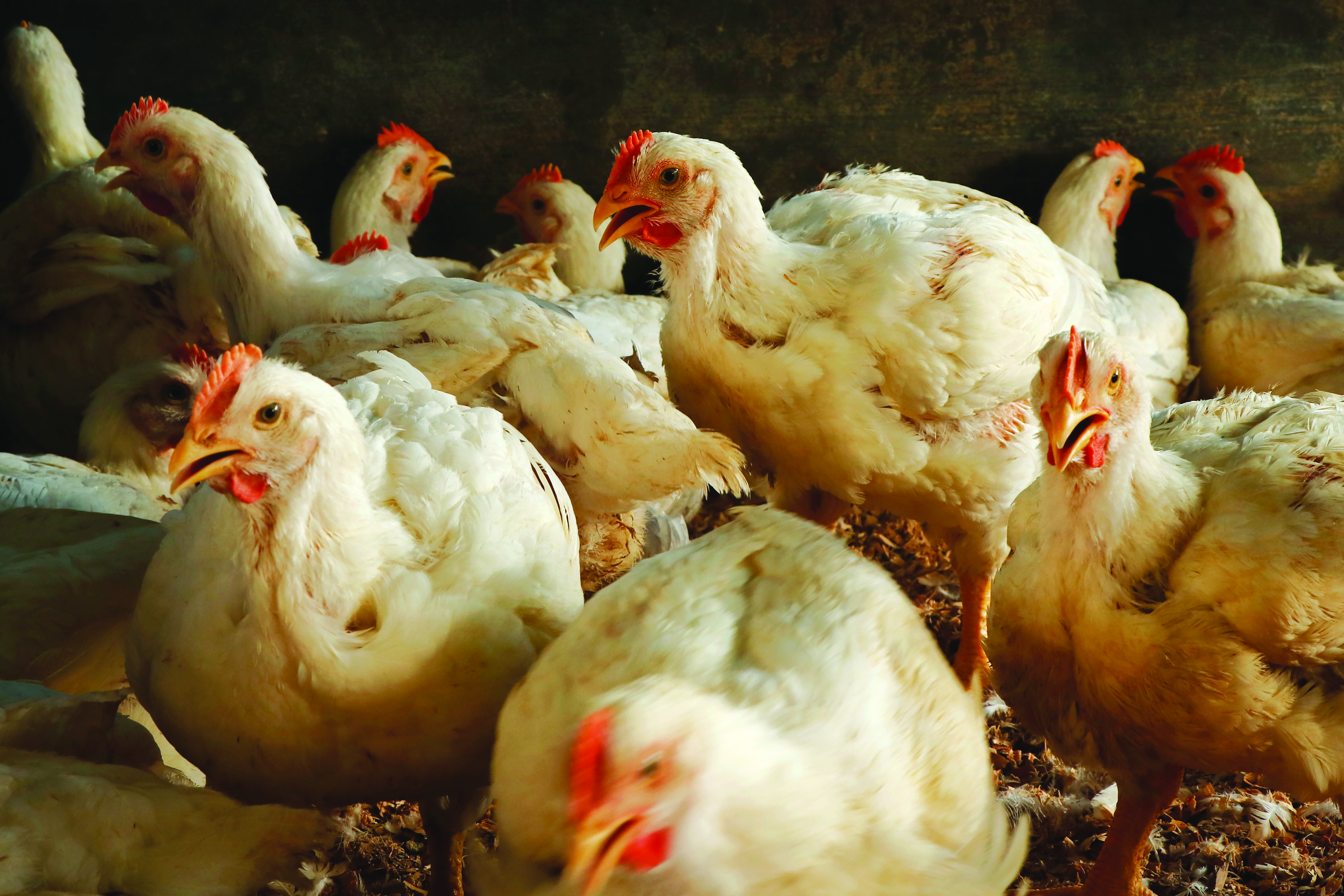
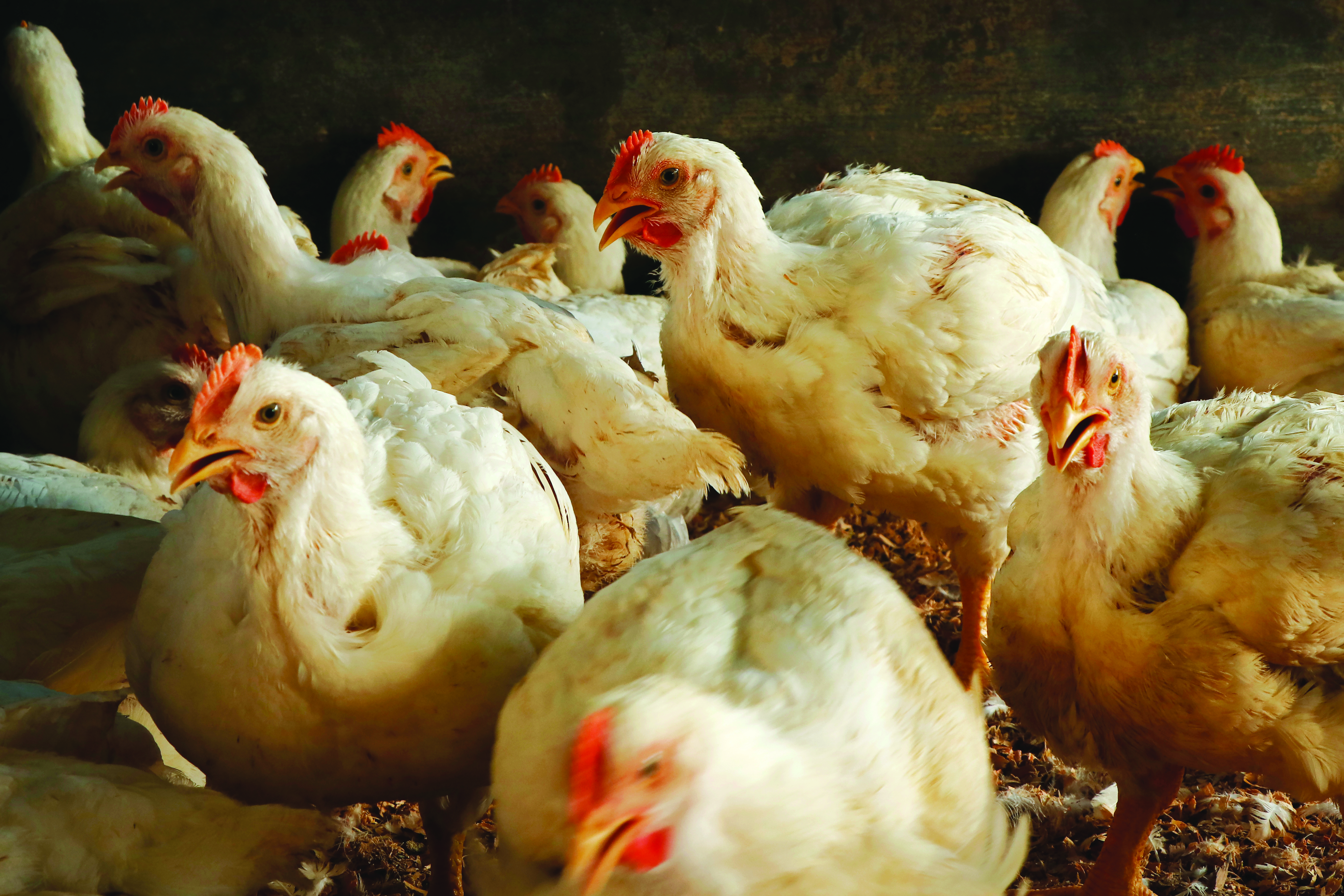
by DR. SRIDHAR KALAKUNTLA, DVM, PhdHigh ambient temperatures negatively impact performance and the economics of commercial poultry farms. Dr Sridhar Kalakuntla emphasizes that various management practices are employed to maintain a comfortable environment for birds in open and climate-controlled sheds.
These include using foggers, sprinklers, wet jute bags on side nets, and thatching roofs. Attention is also given to factors such as air speed, cooling pad operation, the number of fans, and the frequency of fogger use.
Heat stress affects gut health by disrupting the intestinal barrier, increasing intestinal permeability and inflammation, altering gut microbiota composition, lowering nutrient absorption, growth, and performance, and increasing susceptibility to infections such as Salmonella and necrotic enteritis.
Reduced blood flow to the gut occurs during heat stress, causing oxidative stress and compromising intestinal lining integrity. In addition, heat stress suppresses the immune system, including the gut-associated lymphoid tissue (GALT), making birds more vulnerable to infections.
These cumulative effects of heat stress result in decreased performance indicators such as body weight gain, egg production, and hatchability.
Nutrition
Water
Water is the most critical nutrient in poultry. It plays a crucial role in digestion, nutrient transportation, body temperature regulation, and waste elimination, impacting both health and productivity. Providing quality (optimum water pH, TDS, and lower microbial count) water to birds in summer is essential.
Protein
To enhance gut health and prevent dysbiosis, it is beneficial to include highly digestible protein sources and ensure a balanced intake of digestible amino acids while reducing the heat increment and undigested protein in the lower intestine. In hot and humid conditions, reducing crude protein levels by 0.5 to 1.0% and increasing digestible amino acid levels by 3-5% is advisable.
Energy
Effective energy balance is required to compensate for lower feed intake during heat stress. Use low-heat increment raw materials, such as vegetable oil and digestible cereals, in the diet. Ensure the proper energy to digestible lysine ratio for optimum growth and avoid over-fat deposition.
Some of the commonly used electrolyte balancing salts and DEB values
| Ration name | % Sodium | % Potassium | % Chloride | % Sulphate | dEB mEq/100g |
|---|---|---|---|---|---|
| K2CO3 (DCAD+) | 0.00 | 56.00 | 0.00 | 0.00 | 1434 |
| K2SO4 | 0.00 | 44.00 | 0.00 | 56.00 | -38 |
| KCl | 0.00 | 52.00 | 48.00 | 0.00 | -38 |
| NaHCO3 | 27.00 | 0.00 | 0.00 | 0.00 | 1174 |
| NaCl | 39.00 | 0.00 | 61.00 | 0.00 | -47 |
| Na2SO4 | 32.00 | 0.00 | 0.00 | 58.00 | 183 |
*DEB values calculated through molecular weight ÷ 1000.
Dietary Electrolyte Balance (DEB) impact
A balanced supply of cations (positively charged ions Na+ and K+) and anions (negatively charged ions Cl-) is necessary to achieve the acid-base equilibrium (DEB) of the bird. Effective DEB balance in summer (≥240 milliequivalents (mEq)/kg) is essential for better performance and osmotic balance.
Increased sodium (Na) levels are adequate for growth, but increased Na through salt (NaCl) may increase the litter moisture. Furthermore, potassium (K) is sufficient in heat stressed birds. Hence, sodium bicarbonate and potassium carbonate are the best choices for effective DEB balance.
The ion balance can be calculated per Mongin's (1980) equation. Mongin's original DEB equation included sulphates in the diet, but the sulphate component was ignored over time.
However, recently, the usage of more cost-effective alternate protein sources, especially Distiller's Dried Grains with Solubles (DDGS), which are rich in sulphur and low in K (<~2.0%) compared to soybean meal (>~2.0%), has become a common practice. This results in an improper balance of electrolyte salts and lower DEB values in the finished feed.
Excessive panting in summer leads to respiratory alkalosis, which disturbs the acid-base balance in the system. Hence, balancing DEB and choosing the right salts are essential in a diet.
DCAD+ is feed-grade stable potassium carbonate from Arm & Hammer Animal Nutrition and can be used in feed to balance electrolytes.
Practical approach to balancing DEB
- Minimize Chloride (Cl) and Sulphate (SO4) in the ration.
- First, optimize the Na concentration in the diet. Along with minimum salt content in the feed, use NaHCO3 (better than the Cl or SO4 salts of Na) to optimize the DEB.
- After that, increase or balance the K levels in the diet to meet the deficit DEB.
- Choose K sources free from Cl or SO4. Stable potassium carbonate (DCAD+) is a better choice to increase the DEB values effectively.
Feed additive
Supplementation of feed additives such as enzymes, emulsifiers, and bile acids supports better digestibility of nutrients. It is advisable to increase the mineral and vitamin levels (5-15%) in the feed, greater than the standard.
CELMANAX by Arm and Hammer Animal Nutrition is a postbiotic combining highly bioavailable refined functional carbohydrates (RFCs), a proprietary technology of Arm and Hammer. It is a multi-functional product designed to support overall gut health and balance in animals. It encourages the growth of beneficial bacteria and helps maintain a healthy intestinal environment while also supporting the immune system.
Using a good toxin binder, such as BG-Max by Arm & Hammer, is essential in the diet to neutralize the mycotoxins, their negative impact on birds during stress, and protect the cells.
Higher vitamin C, antioxidant levels in the feed, betaine, butyric acid, essential oils, and gut acidifier support birds' performance. Beneficial probiotic strains such as Certillus by Arm & Hammer improve gut health and establish a balanced microbiota in the gastrointestinal tract.
Customized targeted microbial solutions like Certillus work effectively against Avian pathogenic E. coli and Clostridium perfringens, while custom strain combinations support the gut health and digestibility of nutrients.
Physical form of feed
Crumble and pellet feed is advisable for chicks and broilers during summer. For layer and breeder birds, minimize the powder percentage and ensure optimum particle distribution in mash feed. Maintain the feed moisture percentage ≥11.0% for feed consumption.
Summer management is a holistic approach. Along with farm/poultry house management, a well-balanced diet is essential.
Balancing the diet for energy, digestible amino acids, electrolytes, minerals, and vitamins, and incorporating the research-proven feed additive solutions is vital to combat heat stress in poultry.